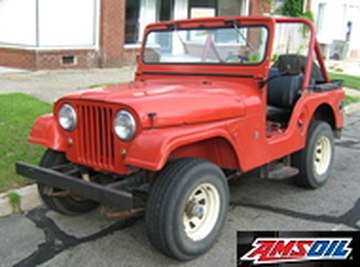
Maintaining the 1981 Jeep CJ-5 2.5L Engine Lubrication System
Proper engine care for a vehicle like the 1981 Jeep CJ-5 involves more than just periodic fluid changes; it requires an understanding of how aging components interact with modern lubricants. For owners of this 2.5L model, maintaining the integrity of the lubrication system is a fundamental aspect of long-term mechanical health. Because these vehicles are often subject to varying operating environments, staying proactive with inspections and following specific application data is essential for preventing unnecessary wear.Monitoring Fluid Integrity and Potential Seepage
One of the most effective ways to monitor the health of the 2.5L engine is through regular visual inspections of the engine bay and undercarriage. Over time, various gaskets and seals may experience changes in elasticity due to heat cycles and age. Rather than assuming a component has failed, owners should look for evidence of seepage or active leaks around sealing surfaces. When performing routine checks, pay close attention to the area surrounding the engine block and any visible connection points. If you notice wetness or residue on the engine exterior, it may indicate that a seal is beginning to lose its effectiveness. Additionally, checking the condition of hoses, if present, is a wise practice. Any signs of swelling, cracking, or excessive softness in these components should be investigated, as they are integral to maintaining the stable operating temperatures required for consistent oil performance. Beyond external leaks, the appearance of the oil itself can provide useful information. If the lubricant appears excessively dark, gritty, or shows signs of unusual contamination, it may warrant an earlier service than originally planned. Consistent monitoring allows you to address minor issues before they escalate into more significant mechanical concerns.Observing Operational Warning Signs
While many maintenance needs are identified through visual inspection, some require closer attention to how the vehicle operates. It is important to remember that various symptoms can have multiple underlying causes, and a single observation should not be used to definitively diagnose a specific part failure. Instead, use these signs as prompts for further investigation. If you notice unusual mechanical noises while the engine is running, this could be related to many different factors, including lubrication levels or component wear. Similarly, if you observe any changes in exhaust characteristics, such as smoke that appears unusual for your vehicle's typical operation, it should be investigated promptly. Another important indicator is a change in how much oil the engine seems to use between service intervals. If you find yourself needing to add lubricant more frequently than usual, this is a signal to inspect the engine for potential leaks or other issues. Always approach these symptoms with a diagnostic mindset, seeking to understand the "why" behind the observation rather than jumping to conclusions about specific internal components.Prioritizing Maintenance Through Condition-Based Care
For an older vehicle like the 1981 Jeep CJ-5, maintenance priorities should be dictated by the actual condition of the machine rather than just its age or mileage. Every vehicle has a unique history; some may have been meticulously maintained for decades, while others may show signs of inconsistent service. A practical approach to long-term ownership is to establish a maintenance baseline. If you do not have access to detailed service records from previous owners, your first priority should be to document the current state of all fluids, filters, and visible mechanical components. Once you have this baseline, you can more accurately track changes over time. When deciding where to focus your efforts, address active concerns first. This means prioritizing any identified leaks, unusual noises, or overdue service items before moving on to purely preventive measures. By distinguishing between necessary repairs and unnecessary parts replacement, you can manage the maintenance of the 2.5L engine more efficiently. Keeping a dedicated log of completed services, including the specific products used and any observations made during inspections, will be invaluable for making informed decisions in the future.Managing Aging Components and Materials
As vehicles age, the materials they are composed of—including rubber, plastic, and various sealants—undergo natural degradation. For the 1981 Jeep CJ-5, this means that even if a vehicle has low mileage, certain components may still require attention due to the passage of time. When inspecting the engine compartment, look for signs of age-related deterioration in accessible belts, if equipped. Check for glazing, fraying, or small cracks along the edges of these belts. Similarly, electrical connections and wiring should be inspected for any signs of brittleness or corrosion, as secure electrical paths are vital for the overall reliability of the engine's management systems. If your maintenance history is incomplete, do not hesitate to perform a thorough inspection of all major service points. This includes checking the condition of air filtration components and ensuring that the cooling system, if equipped with liquid-based components, is free of visible leaks or debris. Taking these steps helps ensure that the engine operates within its intended parameters, regardless of how long it has been since the last comprehensive service.Selecting Lubricants for the 2.5L Engine
Choosing a lubricant involves more than just picking a brand; it requires matching the product to the specific requirements of your engine. For the 1981 Jeep CJ-5, you should always refer to the application-specific information provided on this page to ensure you are using the correct viscosity and specification. Modern lubricant technology offers several options that may be relevant to your maintenance strategy:- Conventional Oils: These are standard mineral-based lubricants.
- Synthetic Blends: These combine conventional and synthetic oils to offer a balance of properties.
- Full Synthetics: These are engineered for higher thermal stability and better resistance to oxidation.
- High-Mileage Formulations: Some high-mileage oil formulations contain additives intended for use in aging engines, such as seal-conditioning additives that may help maintain the integrity of older seals.